
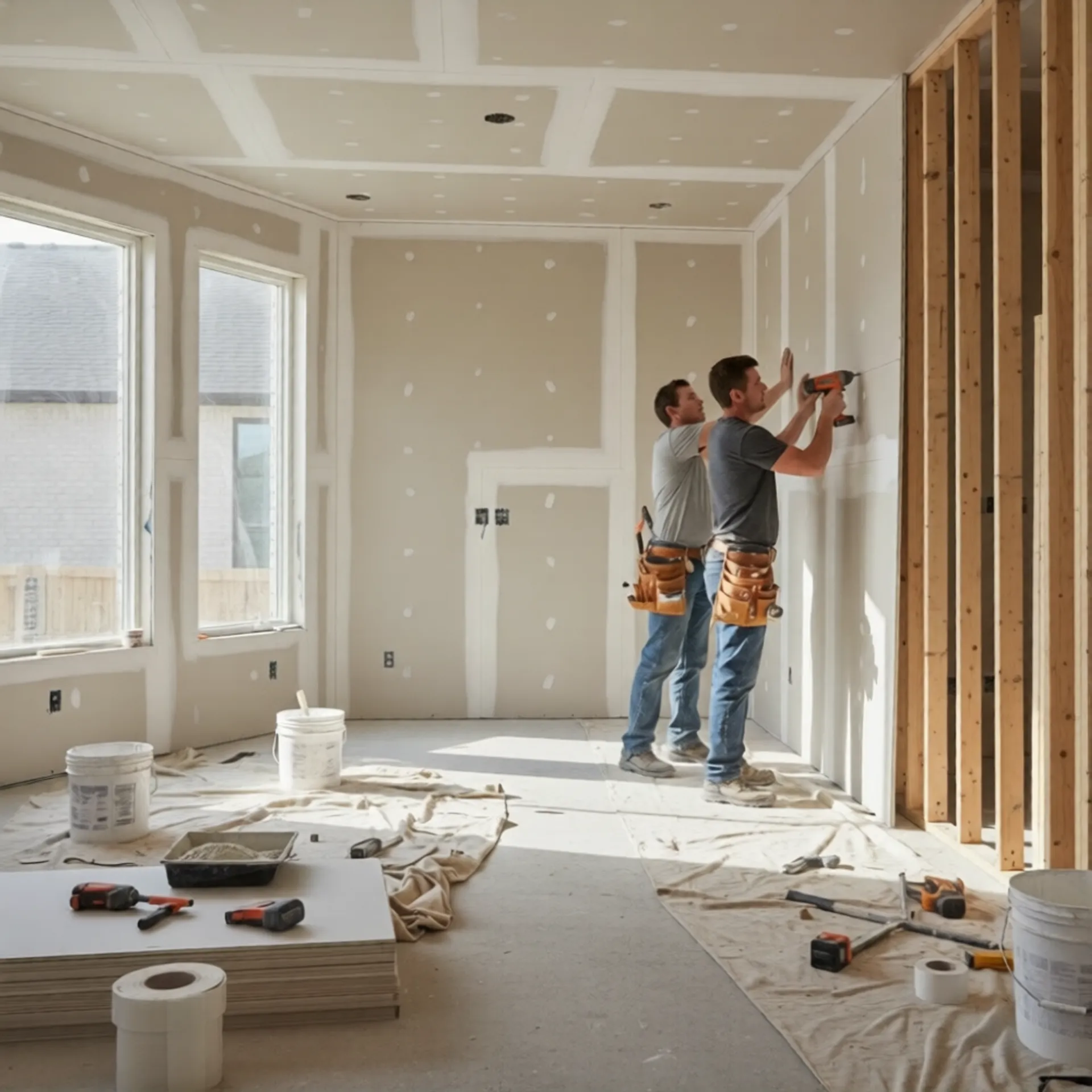
Mold-Resistant Drywall Installation in Wilmington, NC
Wilmington Elite Drywall installs mold-resistant drywall in Wilmington, NC with the material knowledge and installation techniques needed to protect high-moisture areas from mold growth. We work with purple board, green board, and cement board to give bathrooms, kitchens, laundry rooms, and basements long-lasting moisture protection.
Standard drywall absorbs moisture and becomes a breeding ground for mold within days of sustained exposure. We replace vulnerable panels with the right moisture-resistant product for each application, installed with proper sealants and fastening methods that keep water out of the wall cavity.
Get a Free EstimateMold-Resistant Drywall for High-Moisture Areas
Anywhere water vapor, splashes, or condensation regularly contact wall surfaces requires drywall designed to resist moisture absorption. Standard gypsum board uses a paper facing that traps moisture and feeds mold colonies. Mold-resistant products replace that paper with fiberglass facings or treat the gypsum core to repel water, stopping mold before it starts.
Choosing the correct product matters. Each moisture-resistant board has a specific purpose and performance rating. We match the material to the exposure level in your space so you get genuine protection without overspending on panels that exceed what the area demands.
Purple Board Drywall
Purple board is the highest-performing moisture-resistant gypsum panel available for interior use. Its fiberglass mat facing and treated core resist moisture, mold, and mildew on all surfaces of the board. We install purple board in bathrooms, kitchens, laundry rooms, and any room where humidity levels stay consistently elevated. It can be finished, taped, and painted using standard drywall techniques.
Green Board Drywall
Green board uses a wax-treated paper facing and water-resistant core that handles moderate moisture exposure. It is a solid choice for areas with occasional humidity, like powder rooms, utility closets, and kitchen walls that are not directly behind sinks. Green board costs less than purple board while still outperforming standard drywall in damp conditions. We use it where moisture levels are moderate and direct water contact is unlikely.
Cement Board for Wet Areas
Shower surrounds, tub enclosures, and steam rooms require cement board because these surfaces face direct, repeated water contact. Cement board contains no organic material for mold to feed on and will not deteriorate when saturated. We install cement board as a tile backer in all wet areas, using proper waterproofing membranes and alkali-resistant mesh tape at every seam to create a watertight substrate.
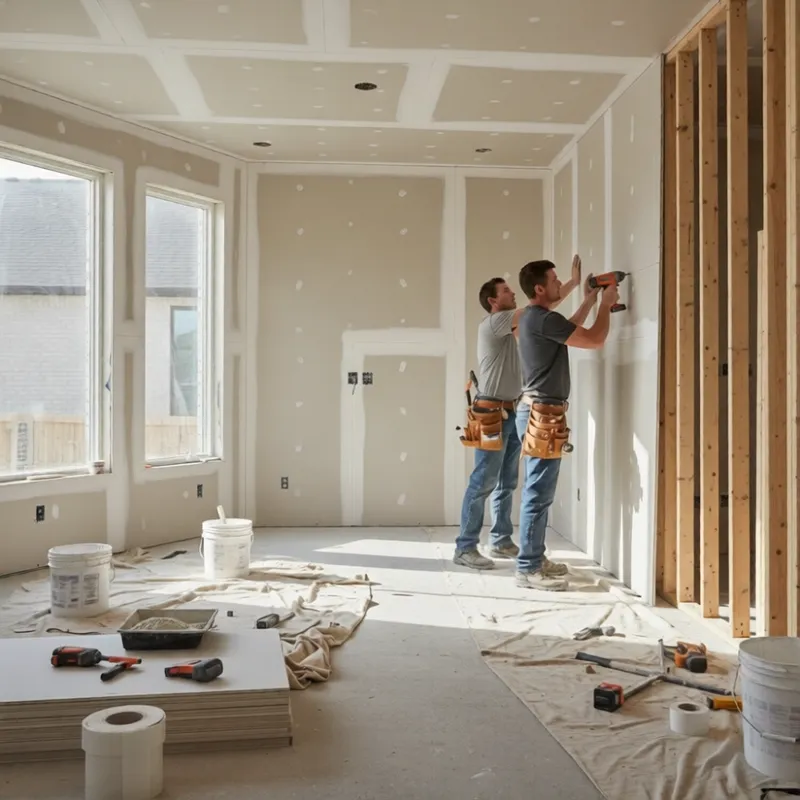
Moisture-Resistant Installation Expertise
Mold-resistant drywall only works when it is installed correctly. Using the right panel in the wrong way still lets moisture into the wall cavity. Our crews apply mold-inhibiting sealant at every cut edge, caulk all penetrations around pipes and fixtures, and use stainless steel or coated fasteners that will not rust and create moisture pathways. We also verify that ventilation is adequate in the space before closing up the walls.
We understand which product belongs where. Purple board behind a vanity, cement board inside a shower, green board in a laundry room ceiling. We do not guess, and we do not install a cheaper product where a higher-rated material is required. That material knowledge is the difference between a wall that stays dry for years and one that grows mold behind the paint within months.
Mold-Resistant Drywall Installation Process
1. Moisture Risk Assessment
We evaluate each room for moisture sources, ventilation quality, and existing damage. Bathrooms with poor exhaust fans, kitchens without range hoods, and below-grade basements each present different moisture challenges that determine the material and installation approach we recommend.
2. Material Selection
Based on the assessment, we select the appropriate board for each wall and ceiling surface. High-exposure areas get purple board or cement board. Moderate-humidity spaces receive green board. We order the correct quantities and stage materials on site to keep the project moving efficiently.
3. Professional Installation
Panels are cut precisely, and every exposed edge is sealed with mold-inhibiting compound before hanging. We use corrosion-resistant fasteners at the correct spacing and tape all seams with mold-resistant joint compound. Penetrations around plumbing and electrical boxes are caulked to prevent moisture intrusion behind the board.
4. Sealing and Moisture Testing
After finishing, we verify that all seams, edges, and penetrations are properly sealed. We check for any gaps that could allow moisture behind the wall surface and confirm that the room's ventilation system is functioning correctly. The completed installation is fully sealed, primed, and ready for paint.